All 13 Features
Every feature in Near Misses is built for daily maritime work — simple to use, fast to navigate, and fully integrated with the rest of Navatom.
Near-Miss Observation Capture
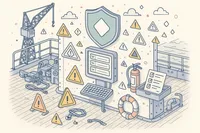
Report near-miss events quickly and easily from any workstation — ship or shore. The observation form captures the essential details: what happened, where and when it occurred, the potential consequences, and the initial assessment of contributing factors.
The capture process is deliberately streamlined to encourage reporting. A near miss that takes ten minutes to report will be reported; one that takes an hour will be silently forgotten. The module prioritizes participation over paperwork.
- Quick observation form
- Ship or shore reporting
- Potential consequence assessment
- Streamlined for high participation
Lightweight Investigation
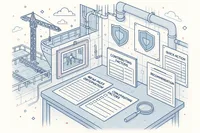
Investigate near misses with a streamlined process that captures the key findings without the full weight of a formal incident investigation. The investigation records contributing factors, root causes, and recommended actions in a structured but efficient format.
The lightweight approach is intentional. Near misses are valuable precisely because they happen frequently — applying a heavy investigation process would discourage reporting.
The system captures enough detail to drive corrective actions without creating an administrative burden.
- Efficient investigation format
- Contributing factor capture
- Root cause identification
- Action-oriented findings
Witness Documentation
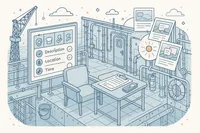
Record witness observations from crew members who saw the near-miss event. Each witness record captures the person's account, their location at the time, and any additional details that help investigators understand what happened.
Witness accounts add perspective to the initial report. When multiple crew members observe the same event from different vantage points, the combined accounts create a more complete picture of the near-miss scenario and its contributing factors.
- Structured witness accounts
- Location and time recording
- Multi-witness perspectives
- Permanent investigation record
Soft Evidence Collection

Attach supporting evidence to near-miss reports — photographs of the scene, relevant documents, procedure excerpts, and any other digital files that help investigators understand the context. Evidence collection is optional but encouraged.
The evidence requirement is kept low to maintain reporting momentum. A photograph from a phone camera or a brief description is sufficient to document most near misses. More detailed evidence can be added later if the investigation warrants it.
- Photo and document attachments
- Optional evidence capture
- Low reporting friction
- Post-report evidence additions
Investigation Report Builder
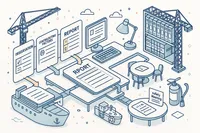
Compile investigation findings into a structured near-miss report that covers the event description, contributing factors, and corrective action recommendations. The report draws from data already captured in the observation and investigation records.
Near-miss reports serve your safety committee, vessel management, and fleet safety program. The structured format ensures consistency across vessels and supports fleet-wide analysis of near-miss patterns.
- Structured near-miss reports
- Data drawn from existing records
- Safety committee ready
- Fleet-wide consistency
Corrective & Preventive Actions

Close the loop from near-miss observation to safety improvement with two types of corrective action. Corrective actions address the specific conditions that led to the near miss.
Preventive actions update procedures, training, or equipment to eliminate the risk of recurrence.
Each action is tracked with assigned responsibility, deadlines, and completion verification. Even though the near miss did not result in harm, the corrective actions ensure that the conditions that allowed it are addressed before they lead to an actual incident.
- Corrective condition fixes
- Preventive procedure updates
- Assigned responsibility & deadlines
- Completion verification tracking
Six-Stage Safety Lifecycle
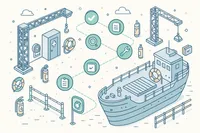
Every near miss follows a six-stage safety lifecycle from initial report through investigation, corrective action, and closure. The lifecycle is lighter than a full incident investigation but still ensures that every reported observation reaches a documented conclusion.
Clear status visibility means your safety officer always knows which near misses are awaiting investigation, which have open corrective actions, and which are fully resolved. Overdue items are immediately visible for follow-up.
- Controlled safety progression
- Lightweight stage gates
- Overdue item visibility
- Documented resolution requirement
Priority & Severity Classification
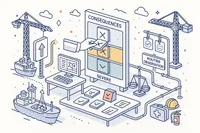
Classify near misses by the severity of the potential consequence — even though the event didn't result in actual harm. A near miss with fatal potential receives more investigation attention than one with minor consequence potential.
Priority classification ensures that your safety team focuses investigation resources on the near misses that represent the greatest risk to your fleet. High-potential near misses are escalated for thorough investigation and systemic corrective action.
- Potential consequence severity
- Investigation priority ranking
- Resource allocation guidance
- High-potential escalation
Ship & Office Reporting

Report and investigate near misses from both ship and office environments. Ship crews can submit observations directly from their workstation, and shore-based safety teams can review, investigate, and assign corrective actions without manual handoff.
The open reporting environment encourages participation from all crew levels. The easier it is to report a near miss, the more reports your safety program receives — and the more learning opportunities your organization captures.
- Crew-friendly ship reporting
- Shore-side review and action
- No manual handoff required
- Open reporting environment
Crew Assignment & Responsibility
Assign investigation and corrective action responsibility to specific crew members or shore personnel. Each assignment includes the expected actions, deadlines, and completion requirements.
Clear responsibility ensures that every near miss receives follow-up. Even routine observations are assigned to someone who will review them and determine whether corrective action is needed.
- Named investigation responsibility
- Corrective action assignments
- Deadline tracking
- Follow-up accountability
Complete Audit Trail
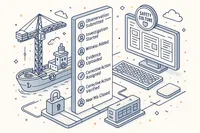
Every action on a near miss is recorded in a tamper-proof event log with forty-four tracked event types. From initial reporting through investigation, witness additions, corrective actions, and closure — every step is captured with full attribution.
The audit trail demonstrates to inspectors and auditors that your organization takes near misses seriously — reporting them, investigating them, and acting on them as part of a functioning safety management system.
- 44 tracked event types
- Full user attribution
- Tamper-proof event records
- Safety management evidence
Analytics & Dashboard

Monitor your safety culture with dashboards that track near-miss reporting rates, investigation completion, corrective action status, and trend analysis. Fleet-wide views reveal which vessels report most actively and which areas generate the most observations.
Near-miss analytics are a leading indicator of safety culture health. Rising reporting rates often indicate an improving safety culture, while declining rates may signal that crew members are not comfortable reporting. The dashboard makes these trends visible.
- Reporting rate tracking
- Investigation completion rates
- Corrective action status
- Fleet-wide safety trends
Fleet-Wide Near-Miss Archive
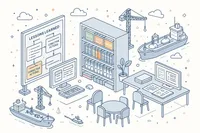
Access the complete history of every near miss across your fleet. Closed near misses remain searchable, building a knowledge base of lessons learned that supports safety briefings, training programs, and continuous improvement.
When a similar near miss occurs on another vessel, your safety team can search the archive for previous investigations and corrective actions. The fleet-wide history turns individual observations into shared safety intelligence.
- Complete fleet history
- Searchable lessons learned
- Safety briefing resource
- Continuous improvement data
Near-Miss Observation Capture
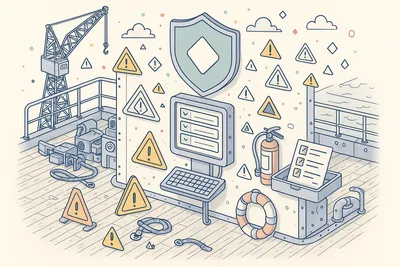
Report near-miss events quickly and easily from any workstation — ship or shore. The observation form captures the essential details: what happened, where and when it occurred, the potential consequences, and the initial assessment of contributing factors.
The capture process is deliberately streamlined to encourage reporting. A near miss that takes ten minutes to report will be reported; one that takes an hour will be silently forgotten. The module prioritizes participation over paperwork.
- Quick observation form
- Ship or shore reporting
- Potential consequence assessment
- Streamlined for high participation
Lightweight Investigation
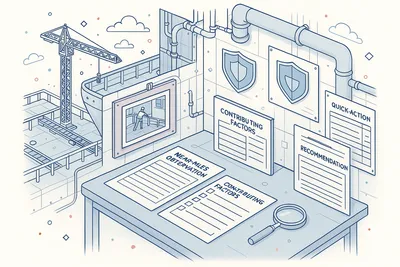
Investigate near misses with a streamlined process that captures the key findings without the full weight of a formal incident investigation. The investigation records contributing factors, root causes, and recommended actions in a structured but efficient format.
The lightweight approach is intentional. Near misses are valuable precisely because they happen frequently — applying a heavy investigation process would discourage reporting.
The system captures enough detail to drive corrective actions without creating an administrative burden.
- Efficient investigation format
- Contributing factor capture
- Root cause identification
- Action-oriented findings
Witness Documentation
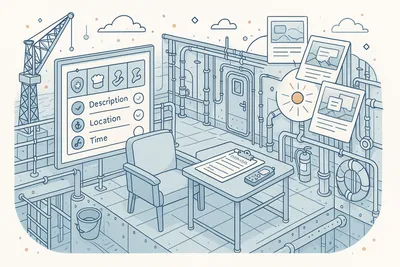
Record witness observations from crew members who saw the near-miss event. Each witness record captures the person's account, their location at the time, and any additional details that help investigators understand what happened.
Witness accounts add perspective to the initial report. When multiple crew members observe the same event from different vantage points, the combined accounts create a more complete picture of the near-miss scenario and its contributing factors.
- Structured witness accounts
- Location and time recording
- Multi-witness perspectives
- Permanent investigation record
Soft Evidence Collection

Attach supporting evidence to near-miss reports — photographs of the scene, relevant documents, procedure excerpts, and any other digital files that help investigators understand the context. Evidence collection is optional but encouraged.
The evidence requirement is kept low to maintain reporting momentum. A photograph from a phone camera or a brief description is sufficient to document most near misses. More detailed evidence can be added later if the investigation warrants it.
- Photo and document attachments
- Optional evidence capture
- Low reporting friction
- Post-report evidence additions
Investigation Report Builder
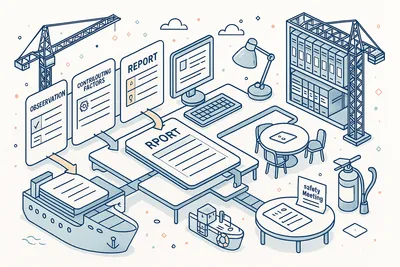
Compile investigation findings into a structured near-miss report that covers the event description, contributing factors, and corrective action recommendations. The report draws from data already captured in the observation and investigation records.
Near-miss reports serve your safety committee, vessel management, and fleet safety program. The structured format ensures consistency across vessels and supports fleet-wide analysis of near-miss patterns.
- Structured near-miss reports
- Data drawn from existing records
- Safety committee ready
- Fleet-wide consistency
Corrective & Preventive Actions
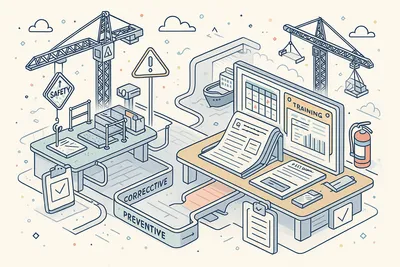
Close the loop from near-miss observation to safety improvement with two types of corrective action. Corrective actions address the specific conditions that led to the near miss.
Preventive actions update procedures, training, or equipment to eliminate the risk of recurrence.
Each action is tracked with assigned responsibility, deadlines, and completion verification. Even though the near miss did not result in harm, the corrective actions ensure that the conditions that allowed it are addressed before they lead to an actual incident.
- Corrective condition fixes
- Preventive procedure updates
- Assigned responsibility & deadlines
- Completion verification tracking
Six-Stage Safety Lifecycle
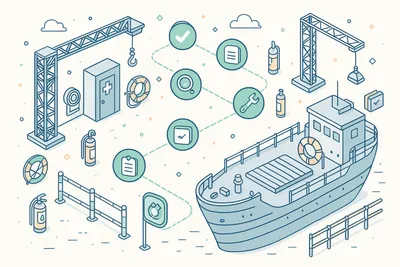
Every near miss follows a six-stage safety lifecycle from initial report through investigation, corrective action, and closure. The lifecycle is lighter than a full incident investigation but still ensures that every reported observation reaches a documented conclusion.
Clear status visibility means your safety officer always knows which near misses are awaiting investigation, which have open corrective actions, and which are fully resolved. Overdue items are immediately visible for follow-up.
- Controlled safety progression
- Lightweight stage gates
- Overdue item visibility
- Documented resolution requirement
Priority & Severity Classification
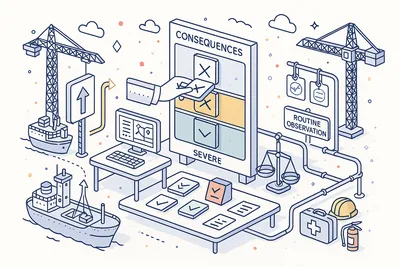
Classify near misses by the severity of the potential consequence — even though the event didn't result in actual harm. A near miss with fatal potential receives more investigation attention than one with minor consequence potential.
Priority classification ensures that your safety team focuses investigation resources on the near misses that represent the greatest risk to your fleet. High-potential near misses are escalated for thorough investigation and systemic corrective action.
- Potential consequence severity
- Investigation priority ranking
- Resource allocation guidance
- High-potential escalation
Ship & Office Reporting

Report and investigate near misses from both ship and office environments. Ship crews can submit observations directly from their workstation, and shore-based safety teams can review, investigate, and assign corrective actions without manual handoff.
The open reporting environment encourages participation from all crew levels. The easier it is to report a near miss, the more reports your safety program receives — and the more learning opportunities your organization captures.
- Crew-friendly ship reporting
- Shore-side review and action
- No manual handoff required
- Open reporting environment
Crew Assignment & Responsibility
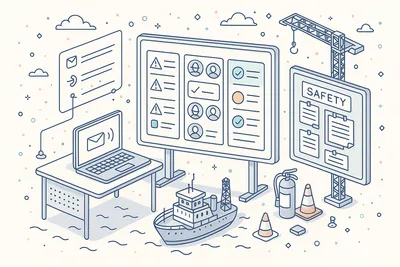
Assign investigation and corrective action responsibility to specific crew members or shore personnel. Each assignment includes the expected actions, deadlines, and completion requirements.
Clear responsibility ensures that every near miss receives follow-up. Even routine observations are assigned to someone who will review them and determine whether corrective action is needed.
- Named investigation responsibility
- Corrective action assignments
- Deadline tracking
- Follow-up accountability
Complete Audit Trail
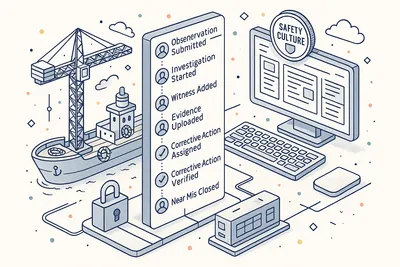
Every action on a near miss is recorded in a tamper-proof event log with forty-four tracked event types. From initial reporting through investigation, witness additions, corrective actions, and closure — every step is captured with full attribution.
The audit trail demonstrates to inspectors and auditors that your organization takes near misses seriously — reporting them, investigating them, and acting on them as part of a functioning safety management system.
- 44 tracked event types
- Full user attribution
- Tamper-proof event records
- Safety management evidence
Analytics & Dashboard
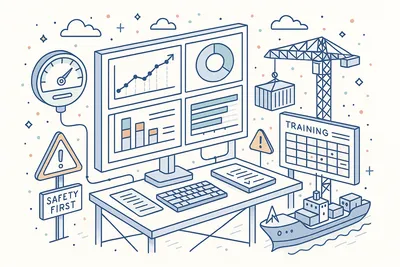
Monitor your safety culture with dashboards that track near-miss reporting rates, investigation completion, corrective action status, and trend analysis. Fleet-wide views reveal which vessels report most actively and which areas generate the most observations.
Near-miss analytics are a leading indicator of safety culture health. Rising reporting rates often indicate an improving safety culture, while declining rates may signal that crew members are not comfortable reporting. The dashboard makes these trends visible.
- Reporting rate tracking
- Investigation completion rates
- Corrective action status
- Fleet-wide safety trends
Fleet-Wide Near-Miss Archive
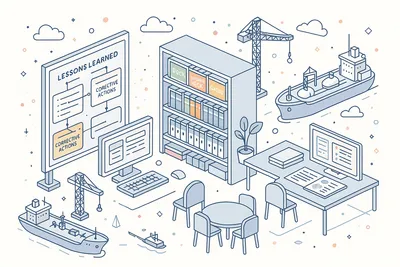
Access the complete history of every near miss across your fleet. Closed near misses remain searchable, building a knowledge base of lessons learned that supports safety briefings, training programs, and continuous improvement.
When a similar near miss occurs on another vessel, your safety team can search the archive for previous investigations and corrective actions. The fleet-wide history turns individual observations into shared safety intelligence.
- Complete fleet history
- Searchable lessons learned
- Safety briefing resource
- Continuous improvement data
Technical
Under the Hood
Architecture and engineering behind Near Misses — data handling, real-time sync, and interface design.
High-Performance Safety Grids with Advanced Filtering
All near-miss views use high-performance data grids with advanced filtering by status, priority, severity, vessel, and date range. Browse extensive near-miss records without performance degradation.
Lightweight Investigation Model
The investigation model is designed for efficiency — capturing contributing factors, root causes, and recommended actions without the full overhead of a formal incident investigation. This balance maximizes reporting participation.
Automated Safety Lifecycle
The six-stage lifecycle is managed by an automated workflow that enforces stage transitions, validates investigation completeness, and triggers notifications for responsible parties.
Immutable Event Logging
Every action generates a tamper-proof event record with forty-four distinct event types. The event log powers the audit trail, safety analytics, notifications, and compliance reporting.
Office-Ship Synchronization
Near-miss data synchronizes between office and vessel systems over satellite links with automatic conflict resolution. Vessels can report and investigate near misses offline, with changes merging when connectivity is restored.
Configurable Analytics Framework
Dashboard widgets and analytics are built on a configurable framework that aggregates near-miss data across multiple dimensions — status, priority, vessel, reporting source, and time period.
Same Category
Related Modules
Other Issues modules that integrate with Near Misses.
Record and track deficiencies from inspections with corrective action workflows.
Document technical findings from surveys, inspections, and maintenance activities.
Ready to try Near Misses?
Start your free trial today and see how Near Misses fits into your fleet operations.