All 18 Features
Every feature in Accidents is built for daily maritime work — simple to use, fast to navigate, and fully integrated with the rest of Navatom.
Incident Investigation Workflow
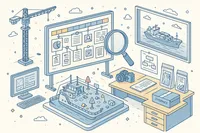
Structure every accident investigation with a guided workflow that ensures thorough, consistent documentation. From the initial incident report through evidence collection, witness interviews, and root cause determination, the workflow keeps your investigation team on track.
The investigation workflow adapts to the severity of the incident. A minor injury follows a streamlined process; a serious casualty or environmental incident triggers comprehensive investigation requirements including management review and authority notification documentation.
- Guided investigation process
- Severity-adaptive requirements
- Structured evidence collection
- Management review triggers
Injury Severity Tracking
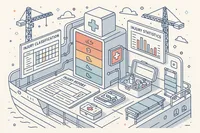
Document injuries with five severity levels that capture the full spectrum from minor first-aid cases to permanently disabling injuries. Each severity level carries specific reporting requirements and follow-up protocols aligned with maritime regulatory expectations.
Injury records include the nature of the injury, the body part affected, the treatment provided, and the recovery outcome. Fleet-wide injury data aggregates across vessels, revealing patterns in injury types, locations, and activities that inform your safety program.
- 5 injury severity levels
- Injury nature & body part recording
- Treatment and outcome documentation
- Fleet-wide injury pattern analysis
Fatality & Casualty Documentation
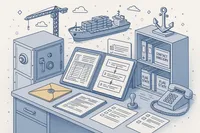
When the worst happens, the module provides structured documentation for fatalities and serious casualties. Every detail — the circumstances, the timeline, the persons involved, the immediate response — is captured in a format that meets regulatory reporting requirements.
Fatality records link to the complete incident investigation, including witness statements, environmental conditions, and evidence. This comprehensive documentation supports your obligations to flag state authorities, P&I clubs, and maritime investigation bodies.
- Structured casualty records
- Regulatory reporting format
- Full investigation linkage
- Authority notification support
Environmental Impact Assessment
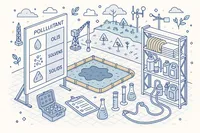
Document the environmental consequences of every incident — spills, emissions, discharges, and any other environmental impact. The assessment captures the type of pollutant, the estimated quantity, the affected area, and the containment measures taken.
Environmental impact records link directly to the incident investigation and corrective actions. When regulatory authorities or P&I clubs require environmental damage documentation, the complete record is immediately available with supporting evidence.
- Pollutant type classification
- Quantity and area estimation
- Containment measure documentation
- Regulatory evidence packaging
Witness Management
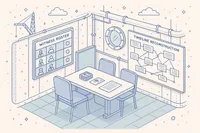
Record witness statements from crew members and other persons who observed the incident. Each witness record captures the person's identity, their location at the time of the incident, and their account of events.
Witness statements are linked to the incident timeline, allowing investigators to cross-reference multiple accounts and build a comprehensive picture of what happened. All witness records are preserved as part of the permanent investigation file.
- Structured witness statements
- Location and time recording
- Multi-witness cross-referencing
- Permanent investigation record
Weather & Visibility Recording
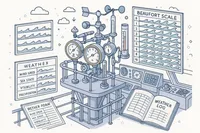
Capture the environmental conditions at the time of every incident — wind speed and direction on the twelve-point Beaufort scale, sea state, visibility, precipitation, temperature, and lighting conditions. These conditions often play a critical role in incident causation.
Standardized weather recording using the Beaufort scale ensures consistent, comparable data across all incidents and vessels. Fleet-wide analysis can reveal whether certain weather conditions correlate with increased incident frequency.
- 12-point Beaufort scale
- Sea state documentation
- Visibility and precipitation capture
- Weather-incident correlation data
Hard & Soft Evidence Collection
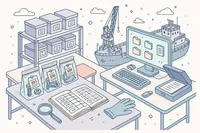
Organize investigation evidence into two categories: hard evidence (physical items, equipment parts, samples) and soft evidence (photographs, documents, recordings, certificates). Each evidence item is cataloged with descriptions, chain-of-custody notes, and storage details.
The dual-category system mirrors professional investigation practice. Hard evidence may need to be preserved physically; soft evidence is uploaded and stored digitally.
Both categories link to the incident record and are available for investigation review.
- Physical evidence cataloging
- Digital file management
- Chain-of-custody tracking
- Dual-category organization
Investigation Report Builder
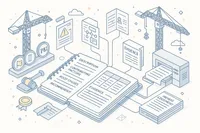
Compile your investigation findings into a structured report that covers all required elements — the incident description, contributing factors, root causes, evidence summary, and corrective action recommendations. The report draws from data already captured in the system.
Investigation reports serve multiple audiences: internal management review, flag state reporting, P&I club notifications, and classification society communication. The structured format ensures that every audience receives the complete, consistent information they need.
- Structured report compilation
- Data drawn from existing records
- Multi-audience report format
- Flag state and P&I ready
Port Authority Detention Tracking
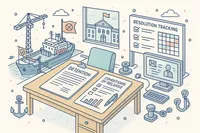
When an incident results in port authority detention, document the detention details alongside the incident record. Track the detaining authority, the detention reasons, the conditions for release, and the resolution timeline.
Detention records provide crucial operational and commercial data. Your operations team needs to know when the vessel will be released; your commercial team needs to assess the financial impact; your compliance team needs to document the regulatory response.
- Detaining authority records
- Release conditions documentation
- Resolution timeline tracking
- Commercial impact visibility
Interim, Corrective & Preventive Actions
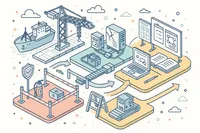
Address incident findings at three levels: interim actions secure the scene and contain immediate risks, corrective actions resolve the specific conditions that contributed to the incident, and preventive actions update your safety management system to prevent recurrence.
Each action type is tracked with assigned responsibility, deadlines, evidence of completion, and verification. For serious incidents, all three action types work in parallel — the scene is secured while the investigation proceeds and systemic changes are planned.
- Scene security & risk containment
- Specific condition correction
- Systemic prevention measures
- Parallel action tracking
Six-Stage Incident Lifecycle
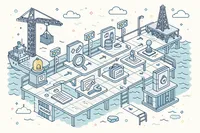
Every accident follows a six-stage lifecycle from initial reporting through investigation, corrective action, verification, and closure. The lifecycle ensures that no incident is closed without completing the required investigation, evidence collection, and corrective action steps.
Stage transitions enforce investigation completeness. An incident with injuries cannot be closed without documenting the injury outcomes.
An incident with environmental impact cannot be closed without recording the containment measures and regulatory notifications.
- Controlled investigation progression
- Completeness-enforced transitions
- Injury documentation gates
- Environmental closure requirements
Priority & Severity Classification
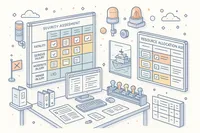
Classify every incident by both priority and severity to ensure that the most serious events receive immediate investigation resources. Severity captures the actual harm — injuries, fatalities, environmental damage, property loss. Priority determines the investigation urgency.
The dual classification ensures that a near-fatal injury receives more investigation resources than a minor first-aid case, while both remain in the system for trend analysis and regulatory compliance.
- Dual priority and severity ratings
- Investigation resource allocation
- Critical incident escalation
- Proportionate response guidance
Ship & Office Incident Tracking
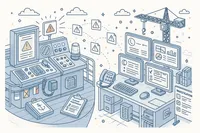
Report and investigate incidents from both ship and office environments. Shipboard incidents are documented by the vessel crew and immediately visible to shore-based investigation coordinators. Office-initiated investigations are communicated to vessels.
The dual-context approach ensures that your designated person ashore sees the same incident data as the vessel master. Investigation coordination between ship and shore happens in real time through the shared system.
- Unified ship-shore investigation
- Real-time coordination
- DPA immediate visibility
- Shared investigation timeline
Crew Assignment & Responsibility
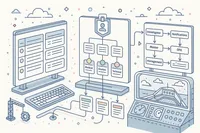
Assign investigation responsibilities to specific personnel — the investigating officer, the safety officer, the master, and shore-based coordinators. Each assignment includes the scope of responsibility, expected deliverables, and deadlines.
Complex incidents may involve multiple investigators with different responsibilities — one focused on the physical evidence, another on witness statements, and a third on regulatory reporting. The system tracks all assignments in parallel.
- Investigating officer assignment
- Multi-investigator support
- Parallel responsibility tracking
- Deadline and scope management
Rich Descriptions & File Attachments
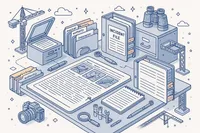
Document every incident with detailed narrative descriptions and supporting files. Attach photographs of the scene, equipment damage reports, medical records, authority correspondence, and any other evidence that supports the investigation.
Rich documentation is critical for serious incident investigations. When flag state authorities, P&I clubs, or maritime investigation bodies request information, the complete investigation package is available with a single export.
- Detailed incident narratives
- Scene photographs
- Medical and authority correspondence
- Complete investigation package
Threaded Comments & Collaboration
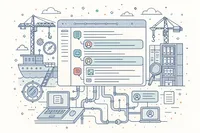
Coordinate investigation activities with threaded comments attached to each incident record. Ship and shore personnel can exchange updates, share analysis, request additional evidence, and discuss findings in context.
The comment thread preserves the investigation narrative — questions asked, evidence requested, hypotheses explored, and conclusions reached. This collaborative record demonstrates the thoroughness of your investigation process.
- Ship-shore investigation discussion
- Evidence request threads
- Analysis and hypothesis exchange
- Preserved investigation narrative
Complete Audit Trail
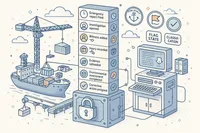
Every action on an incident is recorded in a tamper-proof event log. From initial reporting through witness additions, evidence uploads, injury documentation, severity changes, and investigation closure — every step is captured with full attribution.
The audit trail serves both internal and external purposes. Internally, it ensures investigation accountability.
Externally, it provides the documented evidence that maritime authorities, insurers, and investigation bodies require.
- Full event logging per incident
- Witness and evidence tracking
- User attribution and timestamps
- Regulatory compliance evidence
Analytics & Dashboard
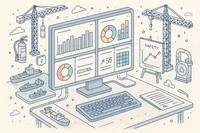
Monitor fleet safety with dashboards that track incident frequency, injury severity distributions, incident types, detention statistics, and corrective action closure rates. Fleet-wide views identify vessels, operations, or conditions with elevated incident risk.
Safety analytics transform individual incident records into prevention intelligence. Which operations generate the most incidents?
Which injury types are most common? Are incident rates improving or deteriorating? The dashboard answers these questions across your entire fleet.
- Incident frequency tracking
- Injury severity distributions
- Detention statistics
- Corrective action closure rates
Incident Investigation Workflow
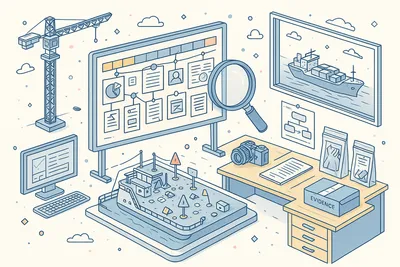
Structure every accident investigation with a guided workflow that ensures thorough, consistent documentation. From the initial incident report through evidence collection, witness interviews, and root cause determination, the workflow keeps your investigation team on track.
The investigation workflow adapts to the severity of the incident. A minor injury follows a streamlined process; a serious casualty or environmental incident triggers comprehensive investigation requirements including management review and authority notification documentation.
- Guided investigation process
- Severity-adaptive requirements
- Structured evidence collection
- Management review triggers
Injury Severity Tracking
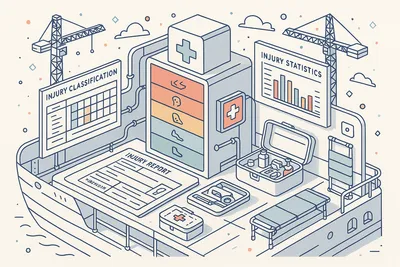
Document injuries with five severity levels that capture the full spectrum from minor first-aid cases to permanently disabling injuries. Each severity level carries specific reporting requirements and follow-up protocols aligned with maritime regulatory expectations.
Injury records include the nature of the injury, the body part affected, the treatment provided, and the recovery outcome. Fleet-wide injury data aggregates across vessels, revealing patterns in injury types, locations, and activities that inform your safety program.
- 5 injury severity levels
- Injury nature & body part recording
- Treatment and outcome documentation
- Fleet-wide injury pattern analysis
Fatality & Casualty Documentation
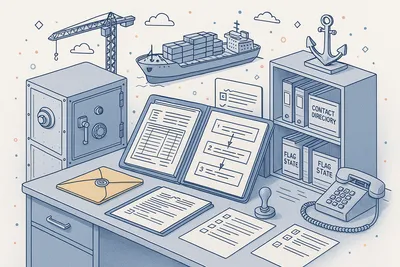
When the worst happens, the module provides structured documentation for fatalities and serious casualties. Every detail — the circumstances, the timeline, the persons involved, the immediate response — is captured in a format that meets regulatory reporting requirements.
Fatality records link to the complete incident investigation, including witness statements, environmental conditions, and evidence. This comprehensive documentation supports your obligations to flag state authorities, P&I clubs, and maritime investigation bodies.
- Structured casualty records
- Regulatory reporting format
- Full investigation linkage
- Authority notification support
Environmental Impact Assessment
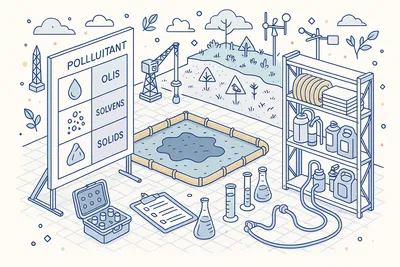
Document the environmental consequences of every incident — spills, emissions, discharges, and any other environmental impact. The assessment captures the type of pollutant, the estimated quantity, the affected area, and the containment measures taken.
Environmental impact records link directly to the incident investigation and corrective actions. When regulatory authorities or P&I clubs require environmental damage documentation, the complete record is immediately available with supporting evidence.
- Pollutant type classification
- Quantity and area estimation
- Containment measure documentation
- Regulatory evidence packaging
Witness Management
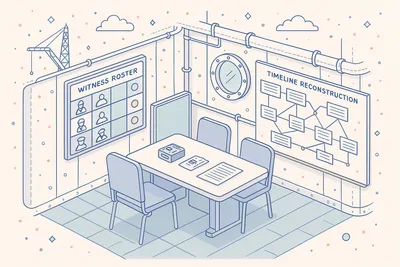
Record witness statements from crew members and other persons who observed the incident. Each witness record captures the person's identity, their location at the time of the incident, and their account of events.
Witness statements are linked to the incident timeline, allowing investigators to cross-reference multiple accounts and build a comprehensive picture of what happened. All witness records are preserved as part of the permanent investigation file.
- Structured witness statements
- Location and time recording
- Multi-witness cross-referencing
- Permanent investigation record
Weather & Visibility Recording
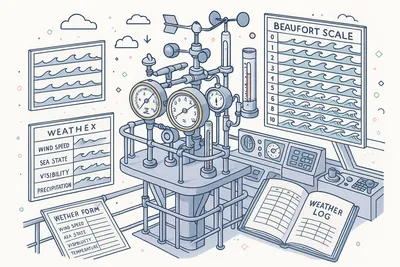
Capture the environmental conditions at the time of every incident — wind speed and direction on the twelve-point Beaufort scale, sea state, visibility, precipitation, temperature, and lighting conditions. These conditions often play a critical role in incident causation.
Standardized weather recording using the Beaufort scale ensures consistent, comparable data across all incidents and vessels. Fleet-wide analysis can reveal whether certain weather conditions correlate with increased incident frequency.
- 12-point Beaufort scale
- Sea state documentation
- Visibility and precipitation capture
- Weather-incident correlation data
Hard & Soft Evidence Collection
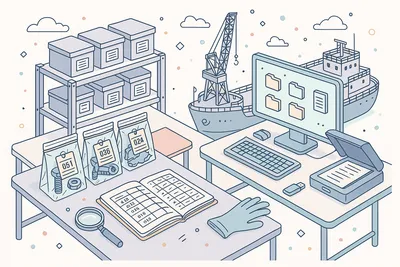
Organize investigation evidence into two categories: hard evidence (physical items, equipment parts, samples) and soft evidence (photographs, documents, recordings, certificates). Each evidence item is cataloged with descriptions, chain-of-custody notes, and storage details.
The dual-category system mirrors professional investigation practice. Hard evidence may need to be preserved physically; soft evidence is uploaded and stored digitally.
Both categories link to the incident record and are available for investigation review.
- Physical evidence cataloging
- Digital file management
- Chain-of-custody tracking
- Dual-category organization
Investigation Report Builder
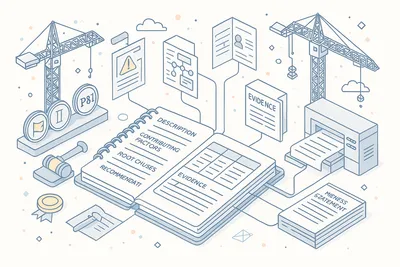
Compile your investigation findings into a structured report that covers all required elements — the incident description, contributing factors, root causes, evidence summary, and corrective action recommendations. The report draws from data already captured in the system.
Investigation reports serve multiple audiences: internal management review, flag state reporting, P&I club notifications, and classification society communication. The structured format ensures that every audience receives the complete, consistent information they need.
- Structured report compilation
- Data drawn from existing records
- Multi-audience report format
- Flag state and P&I ready
Port Authority Detention Tracking
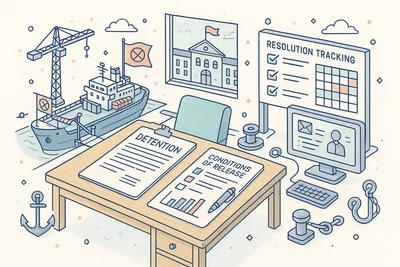
When an incident results in port authority detention, document the detention details alongside the incident record. Track the detaining authority, the detention reasons, the conditions for release, and the resolution timeline.
Detention records provide crucial operational and commercial data. Your operations team needs to know when the vessel will be released; your commercial team needs to assess the financial impact; your compliance team needs to document the regulatory response.
- Detaining authority records
- Release conditions documentation
- Resolution timeline tracking
- Commercial impact visibility
Interim, Corrective & Preventive Actions
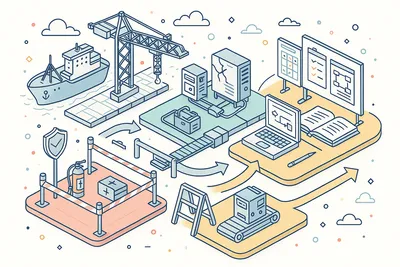
Address incident findings at three levels: interim actions secure the scene and contain immediate risks, corrective actions resolve the specific conditions that contributed to the incident, and preventive actions update your safety management system to prevent recurrence.
Each action type is tracked with assigned responsibility, deadlines, evidence of completion, and verification. For serious incidents, all three action types work in parallel — the scene is secured while the investigation proceeds and systemic changes are planned.
- Scene security & risk containment
- Specific condition correction
- Systemic prevention measures
- Parallel action tracking
Six-Stage Incident Lifecycle
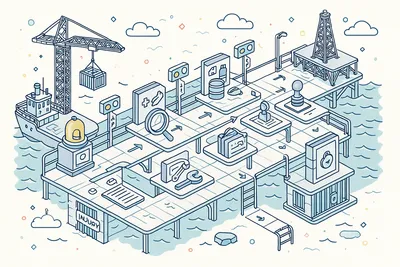
Every accident follows a six-stage lifecycle from initial reporting through investigation, corrective action, verification, and closure. The lifecycle ensures that no incident is closed without completing the required investigation, evidence collection, and corrective action steps.
Stage transitions enforce investigation completeness. An incident with injuries cannot be closed without documenting the injury outcomes.
An incident with environmental impact cannot be closed without recording the containment measures and regulatory notifications.
- Controlled investigation progression
- Completeness-enforced transitions
- Injury documentation gates
- Environmental closure requirements
Priority & Severity Classification
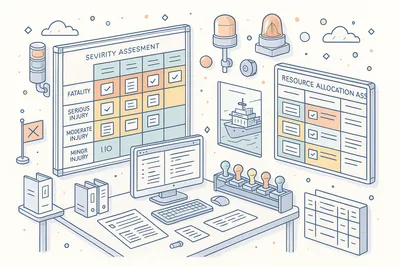
Classify every incident by both priority and severity to ensure that the most serious events receive immediate investigation resources. Severity captures the actual harm — injuries, fatalities, environmental damage, property loss. Priority determines the investigation urgency.
The dual classification ensures that a near-fatal injury receives more investigation resources than a minor first-aid case, while both remain in the system for trend analysis and regulatory compliance.
- Dual priority and severity ratings
- Investigation resource allocation
- Critical incident escalation
- Proportionate response guidance
Ship & Office Incident Tracking
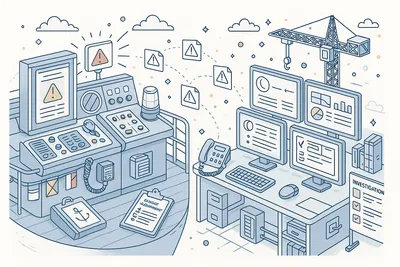
Report and investigate incidents from both ship and office environments. Shipboard incidents are documented by the vessel crew and immediately visible to shore-based investigation coordinators. Office-initiated investigations are communicated to vessels.
The dual-context approach ensures that your designated person ashore sees the same incident data as the vessel master. Investigation coordination between ship and shore happens in real time through the shared system.
- Unified ship-shore investigation
- Real-time coordination
- DPA immediate visibility
- Shared investigation timeline
Crew Assignment & Responsibility
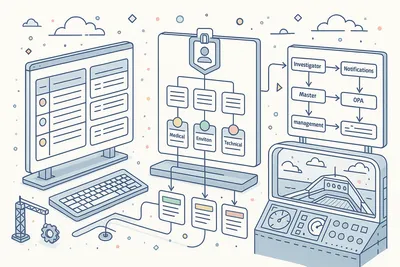
Assign investigation responsibilities to specific personnel — the investigating officer, the safety officer, the master, and shore-based coordinators. Each assignment includes the scope of responsibility, expected deliverables, and deadlines.
Complex incidents may involve multiple investigators with different responsibilities — one focused on the physical evidence, another on witness statements, and a third on regulatory reporting. The system tracks all assignments in parallel.
- Investigating officer assignment
- Multi-investigator support
- Parallel responsibility tracking
- Deadline and scope management
Rich Descriptions & File Attachments
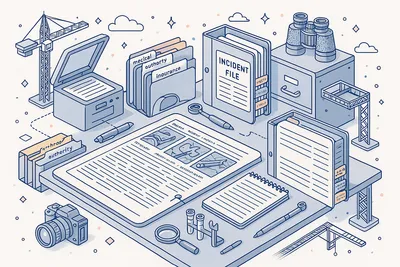
Document every incident with detailed narrative descriptions and supporting files. Attach photographs of the scene, equipment damage reports, medical records, authority correspondence, and any other evidence that supports the investigation.
Rich documentation is critical for serious incident investigations. When flag state authorities, P&I clubs, or maritime investigation bodies request information, the complete investigation package is available with a single export.
- Detailed incident narratives
- Scene photographs
- Medical and authority correspondence
- Complete investigation package
Threaded Comments & Collaboration
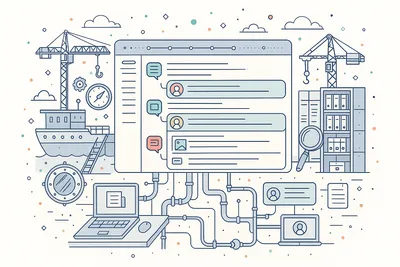
Coordinate investigation activities with threaded comments attached to each incident record. Ship and shore personnel can exchange updates, share analysis, request additional evidence, and discuss findings in context.
The comment thread preserves the investigation narrative — questions asked, evidence requested, hypotheses explored, and conclusions reached. This collaborative record demonstrates the thoroughness of your investigation process.
- Ship-shore investigation discussion
- Evidence request threads
- Analysis and hypothesis exchange
- Preserved investigation narrative
Complete Audit Trail
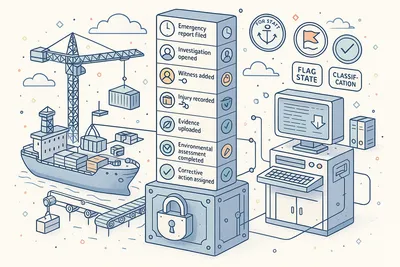
Every action on an incident is recorded in a tamper-proof event log. From initial reporting through witness additions, evidence uploads, injury documentation, severity changes, and investigation closure — every step is captured with full attribution.
The audit trail serves both internal and external purposes. Internally, it ensures investigation accountability.
Externally, it provides the documented evidence that maritime authorities, insurers, and investigation bodies require.
- Full event logging per incident
- Witness and evidence tracking
- User attribution and timestamps
- Regulatory compliance evidence
Analytics & Dashboard
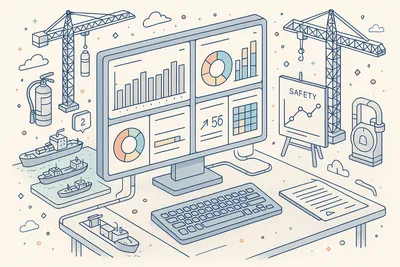
Monitor fleet safety with dashboards that track incident frequency, injury severity distributions, incident types, detention statistics, and corrective action closure rates. Fleet-wide views identify vessels, operations, or conditions with elevated incident risk.
Safety analytics transform individual incident records into prevention intelligence. Which operations generate the most incidents?
Which injury types are most common? Are incident rates improving or deteriorating? The dashboard answers these questions across your entire fleet.
- Incident frequency tracking
- Injury severity distributions
- Detention statistics
- Corrective action closure rates
Technical
Under the Hood
Architecture and engineering behind Accidents — data handling, real-time sync, and interface design.
High-Performance Incident Grids with Advanced Filtering
All incident views use high-performance data grids with advanced filtering by severity, incident type, vessel, injury status, and date range. Browse extensive incident records without performance degradation.
Structured Investigation Data Model
The investigation data model captures six dimensions of every incident: the event, the people (injuries/fatalities), the environment (weather/sea state), the evidence (hard/soft), witness accounts, and investigation findings — all linked in a single coherent record.
Multi-Level Injury & Casualty Framework
Five injury severity levels with structured fields for injury nature, body part, treatment, and outcome. The framework supports everything from minor first-aid cases to fatalities, with severity-specific reporting requirements.
Dual-Category Evidence Management
Hard and soft evidence are managed in separate categories with distinct handling requirements. Hard evidence tracks physical items with chain-of-custody notes; soft evidence manages digital files with upload and storage capabilities.
Automated Incident Lifecycle
The six-stage lifecycle enforces investigation completeness through stage transition rules. Incidents with injuries, environmental impact, or detentions must document these elements before progressing to closure.
Immutable Event Logging
Every action generates a tamper-proof event record. The event log powers the audit trail, safety analytics, notifications, and regulatory reporting — fully auditable and tamper-evident.
Office-Ship Synchronization
Incident data synchronizes between office and vessel systems over satellite links with automatic conflict resolution. Vessels can document incidents, collect evidence, and record witness statements offline.
Environmental & Weather Condition Capture
Standardized weather recording using the twelve-point Beaufort scale, visibility categories, and structured environmental condition fields enable fleet-wide correlation analysis between conditions and incident frequency.
Same Category
Related Modules
Other Issues modules that integrate with Accidents.
Record and track deficiencies from inspections with corrective action workflows.
Capture near-miss reports to promote proactive safety culture across the fleet.
Document technical findings from surveys, inspections, and maintenance activities.
Ready to try Accidents?
Start your free trial today and see how Accidents fits into your fleet operations.