All 10 Features
Every feature in Findings is built for daily maritime work — simple to use, fast to navigate, and fully integrated with the rest of Navatom.
Unified Finding Aggregation
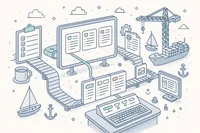
See every finding from every assessment in a single consolidated view. Audit findings, inspection findings, and vetting findings appear together in one list — each carrying its full context, source assessment reference, inspector identity, and regulatory linkage.
No more switching between audit reports, vetting records, and inspection summaries to build a complete picture. The unified view is your single source of truth for all outstanding observations across your fleet, regardless of where they originated.
- Single view for all findings
- Audit, inspection & vetting sources
- Full source context preserved
- Fleet-wide observation overview
Multi-Source Finding Collection
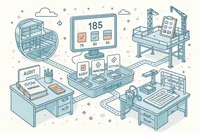
Findings flow into the unified view from three assessment sources — Audits (internal and external compliance assessments), Inspections (structured evaluations against regulatory standards), and Vettings (commercial inspections by charterers, terminals, and oil majors). Each source carries its own context and metadata.
The multi-source approach ensures nothing is missed. Whether a classification society auditor, a SIRE inspector, or your own chief officer identifies an observation, it appears in the same consolidated finding list with consistent formatting and classification.
- Audit findings (internal & external)
- Inspection findings
- Vetting findings
- Consistent format across sources
Seven Deficiency Conversion Types
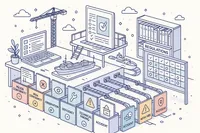
Convert findings into formal deficiency records with precise type classification. Seven deficiency types — Major Non-Conformity, Non-Conformity, Observation, Deficiency, Technical Finding, Near Miss, and Accident — map directly to maritime regulatory frameworks and your ISM classification hierarchy.
Each type carries its own response timeline, escalation rules, and corrective action requirements. A Major Non-Conformity demands immediate management review; an Observation may require only trend monitoring. The right type ensures the right process for every finding.
- Major Non-Conformity & NC types
- Observation & Deficiency tracking
- Technical Finding classification
- Near Miss & Accident linkage
One-Click Deficiency Conversion
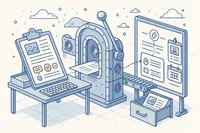
Transform findings into tracked deficiencies with a single action. The conversion process carries forward all evidence, regulatory references, severity data, and assessment context from the original finding, creating a formal deficiency record ready for corrective action assignment.
No duplicate data entry, no lost context. The link between finding and deficiency is maintained permanently, so you can trace any corrective action back to the specific observation that triggered it.
The converted finding moves to the archive with a clear reference to the resulting deficiency.
- Single-action conversion
- Full context carry-forward
- Permanent finding-deficiency link
- Archive with source reference
Priority & Severity Classification

Every finding carries priority and severity ratings for structured follow-up. Priority determines urgency — how quickly must this be addressed?
Severity classifies impact — how serious is the underlying condition? Together, they drive the finding through the appropriate response workflow.
Consistent classification across your fleet enables meaningful comparison. Which vessels have the most high-severity findings?
Which assessment types generate the most critical observations? Classification data feeds directly into analytics for fleet-wide trend analysis.
- Urgency-based priority ratings
- Impact-based severity ratings
- Classification-driven follow-up
- Fleet benchmarking support
Regulatory Rule Linking

Connect findings to applicable regulatory standards — ISM Code, SOLAS, MARPOL, and MLC — with structured references to specific code sections, chapters, and regulations. Regulatory linking transforms isolated observations into compliance-relevant records.
When a finding references a specific SOLAS regulation, that link persists through conversion to deficiency and into the corrective action process. Fleet-wide regulatory analysis reveals which standards generate the most findings and where your compliance gaps exist.
- ISM Code clause references
- SOLAS & MARPOL linking
- MLC compliance tracking
- Regulatory gap analysis
Advanced Filtering & Search

Slice your finding data across five filter categories — source type (Audit, Inspection, Vetting), conversion status (open or converted), audit direction (for audit-sourced findings), date range, and the person who identified the observation. Combine filters to answer specific questions about your fleet's compliance posture.
Find all unconverted high-severity findings from third-party audits in the last quarter. Show all vetting findings for a specific vessel.
List findings by a particular inspector across all assessments. The filtering system turns raw observations into targeted intelligence.
- Filter by source type
- Conversion status filtering
- Date range & finder filters
- Audit direction filtering
Finding Archive & History

Converted findings move to a searchable archive that maintains the complete record — original observation, assessment context, inspector identity, regulatory references, and a permanent link to the resulting deficiency. The archive grows into your organization's institutional memory of compliance observations.
Search the archive by any criteria to understand historical patterns. How many findings from last year's SIRE vettings led to corrective actions?
What percentage of audit findings were classified as non-conformities? The archive provides the data for informed decision-making.
- Searchable converted finding archive
- Permanent source assessment links
- Historical pattern analysis
- Complete record preservation
File Attachments & Evidence

Attach photographs, inspection reports, regulatory correspondence, and supporting documents directly to finding records. Every file is stored with the finding it belongs to, creating a self-contained evidence package that travels with the record through conversion and corrective action.
Upload condition photographs, inspector notes, and reference documents. When a finding converts to a deficiency, its attachments carry forward automatically.
The file management system handles versioning — update, replace, or remove attachments with a complete change history.
- Photo & document attachments
- Attachments carry through conversion
- File versioning & history
- Self-contained evidence packages
Fleet-Wide Finding Intelligence
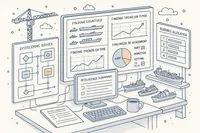
Aggregate finding trends across vessels, assessment types, and time periods to reveal the patterns that individual inspection reports cannot show. Which vessels have the highest finding rates?
Which regulatory standards generate the most observations? Are finding counts trending up or down across your fleet?
Fleet-wide intelligence transforms reactive finding management into proactive compliance strategy. Identify systemic issues before they trigger detentions, allocate audit resources where they will have the greatest impact, and demonstrate continuous improvement to charterers, flag states, and classification societies.
- Cross-vessel trend analysis
- Assessment type comparison
- Systemic issue identification
- Continuous improvement evidence
Unified Finding Aggregation
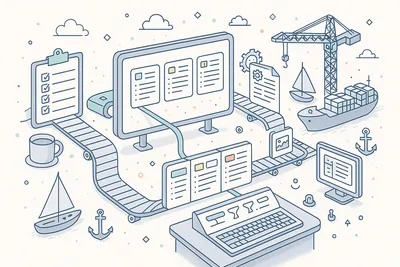
See every finding from every assessment in a single consolidated view. Audit findings, inspection findings, and vetting findings appear together in one list — each carrying its full context, source assessment reference, inspector identity, and regulatory linkage.
No more switching between audit reports, vetting records, and inspection summaries to build a complete picture. The unified view is your single source of truth for all outstanding observations across your fleet, regardless of where they originated.
- Single view for all findings
- Audit, inspection & vetting sources
- Full source context preserved
- Fleet-wide observation overview
Multi-Source Finding Collection
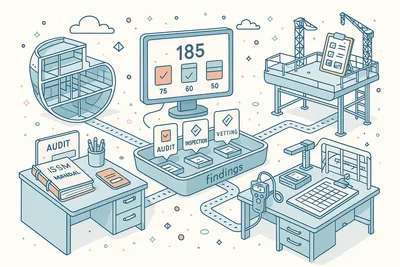
Findings flow into the unified view from three assessment sources — Audits (internal and external compliance assessments), Inspections (structured evaluations against regulatory standards), and Vettings (commercial inspections by charterers, terminals, and oil majors). Each source carries its own context and metadata.
The multi-source approach ensures nothing is missed. Whether a classification society auditor, a SIRE inspector, or your own chief officer identifies an observation, it appears in the same consolidated finding list with consistent formatting and classification.
- Audit findings (internal & external)
- Inspection findings
- Vetting findings
- Consistent format across sources
Seven Deficiency Conversion Types
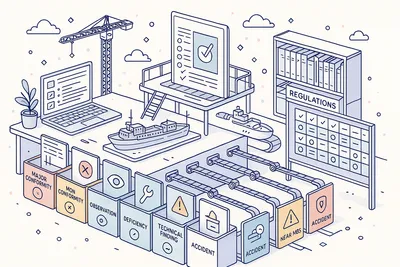
Convert findings into formal deficiency records with precise type classification. Seven deficiency types — Major Non-Conformity, Non-Conformity, Observation, Deficiency, Technical Finding, Near Miss, and Accident — map directly to maritime regulatory frameworks and your ISM classification hierarchy.
Each type carries its own response timeline, escalation rules, and corrective action requirements. A Major Non-Conformity demands immediate management review; an Observation may require only trend monitoring. The right type ensures the right process for every finding.
- Major Non-Conformity & NC types
- Observation & Deficiency tracking
- Technical Finding classification
- Near Miss & Accident linkage
One-Click Deficiency Conversion
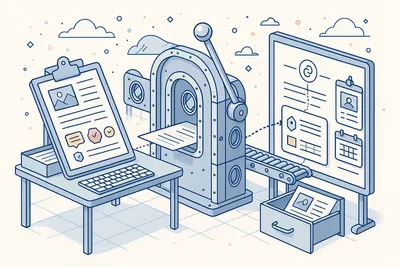
Transform findings into tracked deficiencies with a single action. The conversion process carries forward all evidence, regulatory references, severity data, and assessment context from the original finding, creating a formal deficiency record ready for corrective action assignment.
No duplicate data entry, no lost context. The link between finding and deficiency is maintained permanently, so you can trace any corrective action back to the specific observation that triggered it.
The converted finding moves to the archive with a clear reference to the resulting deficiency.
- Single-action conversion
- Full context carry-forward
- Permanent finding-deficiency link
- Archive with source reference
Priority & Severity Classification
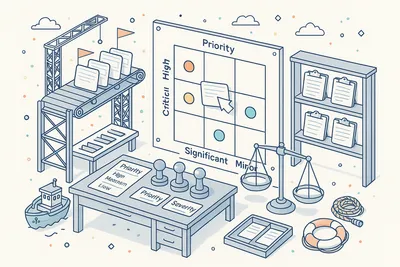
Every finding carries priority and severity ratings for structured follow-up. Priority determines urgency — how quickly must this be addressed?
Severity classifies impact — how serious is the underlying condition? Together, they drive the finding through the appropriate response workflow.
Consistent classification across your fleet enables meaningful comparison. Which vessels have the most high-severity findings?
Which assessment types generate the most critical observations? Classification data feeds directly into analytics for fleet-wide trend analysis.
- Urgency-based priority ratings
- Impact-based severity ratings
- Classification-driven follow-up
- Fleet benchmarking support
Regulatory Rule Linking
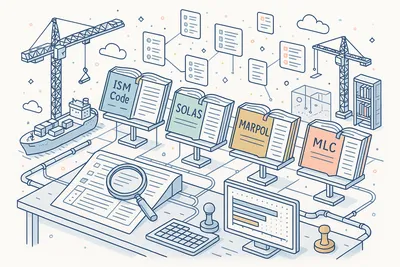
Connect findings to applicable regulatory standards — ISM Code, SOLAS, MARPOL, and MLC — with structured references to specific code sections, chapters, and regulations. Regulatory linking transforms isolated observations into compliance-relevant records.
When a finding references a specific SOLAS regulation, that link persists through conversion to deficiency and into the corrective action process. Fleet-wide regulatory analysis reveals which standards generate the most findings and where your compliance gaps exist.
- ISM Code clause references
- SOLAS & MARPOL linking
- MLC compliance tracking
- Regulatory gap analysis
Advanced Filtering & Search

Slice your finding data across five filter categories — source type (Audit, Inspection, Vetting), conversion status (open or converted), audit direction (for audit-sourced findings), date range, and the person who identified the observation. Combine filters to answer specific questions about your fleet's compliance posture.
Find all unconverted high-severity findings from third-party audits in the last quarter. Show all vetting findings for a specific vessel.
List findings by a particular inspector across all assessments. The filtering system turns raw observations into targeted intelligence.
- Filter by source type
- Conversion status filtering
- Date range & finder filters
- Audit direction filtering
Finding Archive & History

Converted findings move to a searchable archive that maintains the complete record — original observation, assessment context, inspector identity, regulatory references, and a permanent link to the resulting deficiency. The archive grows into your organization's institutional memory of compliance observations.
Search the archive by any criteria to understand historical patterns. How many findings from last year's SIRE vettings led to corrective actions?
What percentage of audit findings were classified as non-conformities? The archive provides the data for informed decision-making.
- Searchable converted finding archive
- Permanent source assessment links
- Historical pattern analysis
- Complete record preservation
File Attachments & Evidence
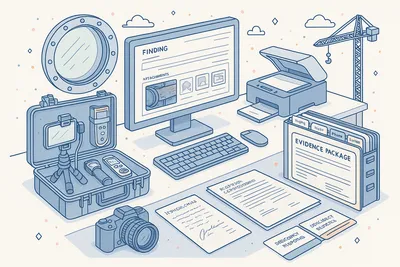
Attach photographs, inspection reports, regulatory correspondence, and supporting documents directly to finding records. Every file is stored with the finding it belongs to, creating a self-contained evidence package that travels with the record through conversion and corrective action.
Upload condition photographs, inspector notes, and reference documents. When a finding converts to a deficiency, its attachments carry forward automatically.
The file management system handles versioning — update, replace, or remove attachments with a complete change history.
- Photo & document attachments
- Attachments carry through conversion
- File versioning & history
- Self-contained evidence packages
Fleet-Wide Finding Intelligence
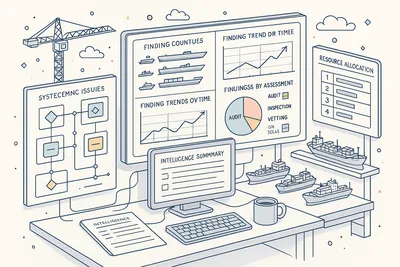
Aggregate finding trends across vessels, assessment types, and time periods to reveal the patterns that individual inspection reports cannot show. Which vessels have the highest finding rates?
Which regulatory standards generate the most observations? Are finding counts trending up or down across your fleet?
Fleet-wide intelligence transforms reactive finding management into proactive compliance strategy. Identify systemic issues before they trigger detentions, allocate audit resources where they will have the greatest impact, and demonstrate continuous improvement to charterers, flag states, and classification societies.
- Cross-vessel trend analysis
- Assessment type comparison
- Systemic issue identification
- Continuous improvement evidence
Technical
Under the Hood
Architecture and engineering behind Findings — data handling, real-time sync, and interface design.
High-Performance Finding Grids with Advanced Filtering
The unified finding view handles large volumes of data from multiple assessment sources with instant filtering. Narrow results by source type, conversion status, direction, date range, and finder — the system stays responsive regardless of data volume.
Automated Conversion Workflow
Finding-to-deficiency conversion carries forward all context — evidence, regulatory references, severity data, and assessment source — in a single step. Bulk conversion handles multiple findings simultaneously.
Permanent bidirectional links maintain full traceability.
Cross-Assessment Finding Aggregation
Findings from audits, inspections, and vettings are normalized into a consistent format and aggregated into a single unified view. Each finding retains its source context while conforming to a shared classification and filtering structure.
Immutable Change Logging
Every finding mutation — creation, update, conversion, rule addition, rule removal — is recorded in a tamper-proof event log. The log powers the audit trail, compliance reporting, and real-time notifications across the platform.
Office-Ship Synchronization
Finding data synchronizes between office and vessel over satellite links with automatic conflict resolution. Vessels can review and manage findings offline, with changes merging seamlessly when connectivity is restored.
Same Category
Related Modules
Other Assessment modules that integrate with Findings.
Plan and conduct internal and external audits with finding management and follow-up.
Collect structured evaluations and feedback for continuous improvement.
Ready to try Findings?
Start your free trial today and see how Findings fits into your fleet operations.