

Consumption & Waste

Monitor fuel consumption, waste management, and environmental compliance across the fleet.

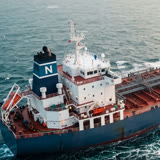
Second engineer taking a sounding during bunkering at the manifold

23

Fuel & Lubricant Types

9 fossil fuels, 2 alcohol fuels, 12 lubricants

10

Tracking Categories

Fuels, oils, water, sludge, bilge and garbage

5

Transaction Log Types

Operational, loss, addition, offboard and waste

5

Units of Measure

MT, m³, litre, kg and gallon

Benefits

Why Consumption & Waste?

Key advantages of Consumption & Waste as part of Navatom's integrated platform.

23 Fuel & Lubricant Types with CO2 Emission Tracking

Each marine fuel has its own CO2 conversion factor built in. That runs from HFO and MGO to LNG and Methanol. Track consumption and calculate emissions from a single data entry. That ends external spreadsheets and manual CF lookups. Your fleet has the basis for per-voyage emissions reporting from day one.

One Ledger for Every Stream

Fuel, lubricants, water and waste are kept per vessel as typed entries. So bunkering, losses, deliveries ashore and disposal all read from one record.

Rank-Based Access Ensures Proper Authority

Engine officers manage fuel and lubricants. Deck officers handle water and garbage. This matches how duties are split onboard. The system enforces this split at the data level. It ensures accountability and prevents unauthorized changes. It also supports the duties the ISM Code sets out.

Scales from Single Vessel to Global Fleet

Server-side analytics, secure company data isolation and ship-office synchronization mean the system performs the same whether you manage 1 vessel or 500. Fleet-level dashboards combine consumption data across all vessels. This supports central fuel management and emission reporting.

Overview

Consumption & Waste is where officers on board record each vessel’s fuel, lubricant, water and waste as typed entries, with the CO2 worked out from every fuel entry, while the office follows what each ship burned, used and discharged.

Read the full overview of Consumption & Waste

Navatom Consumption & Waste is the fleet-wide fuel, lubricant, freshwater, and waste management platform. It gives engineers, masters and shore-side operations a single system of record. It covers each consumable and waste stream onboard. It replaces logbook entries, emailed figures and disconnected spreadsheets with structured, category-aware tracking and CO2 emission calculations.

The module is built around 23 fuel and lubricant types. They are 9 fossil fuel grades (MGO, MDO, IFO, MFO, HFO, LFO, LNG, LPG butane and propane), 2 sustainable fuels (Ethanol, Methanol), and 12 lubricant grades. Each carries its own CO2 conversion factor. The module has 10 consumption and waste categories that cover the full operational spectrum. They are Residual and Distillate Fuels, Lubricants, Additives, Fresh Water, Technical Water, Sludge, Dirty Oil, Bilge, and Garbage.

Movements are captured with precision by 5 transaction log types (Operational, Loss, Addition, Offboard, Waste) and 5 units of measurement (MT, M³, Litre, KG, Gallon).

Rank-based access control makes sure engine officers manage fuel and lubricant records while deck officers handle water and garbage. The office follows each entry.

Fleet-level dashboards correlate fuel use across vessels, voyages and time periods. They turn raw bunker data into efficiency insight you can act on. It scales from a single vessel to a global fleet.

Capabilities

Key Features

How Consumption & Waste helps ship managers work faster and stay compliant.

01

23 Fuel & Lubricant Types

Track each fuel and lubricant grade your fleet uses with 23 built-in consumable types. The 9 fossil fuel grades cover the full range of marine propulsion and auxiliary fuels. They are MGO, MDO, IFO, MFO, HFO, LFO, LNG, and LPG butane and propane.

The 2 sustainable fuels, Ethanol and Methanol, support the move to alternative energy sources.

The 10 lubricant grades cover each mechanical system onboard. They are Engine Oil, Cylinder Oil, System Oil, Hydraulic Oil, Gear Oil, Air Compressor Oils, Refrigeration Oils, Gas Compressor Oils, Bearing and Circulating Oils, and Turbine Oils. Each type carries a predefined CO2 conversion factor (CF). That allows automatic emission calculation with no manual lookup or setup.

CAW

23 Fuel & Lubricant Types

  • 9 fossil fuel grades (MGO, MDO, IFO, MFO, HFO, LFO, LNG, 2 LPG)
  • 2 sustainable fuels (Ethanol, Methanol)
  • 12 lubricant grades (Engine, Cylinder, Hydraulic, etc.)
  • Per-type CO2 conversion factors (CF)
  • Ready for alternative fuel transition

02

Five Transaction Log Types

Record each consumable movement with 5 purpose-built transaction types. Operational logs capture daily consumption during normal vessel operations.

Loss logs document unexpected depletion: leaks, spills, or measurement discrepancies. Addition logs record bunkering, freshwater loading, and lubricant top-ups.

Offboard logs track transfers to shore facilities, barges, or other vessels. Waste logs record sludge discharge, bilge water processing, and garbage disposal.

Each transaction type captures quantity, date, remarks, and the responsible officer. This builds a complete, categorized ledger of each consumable movement.

CAW

Five Transaction Log Types

  • Operational: daily consumption
  • Loss: spills, leaks, discrepancies
  • Addition: bunkering & top-ups
  • Offboard: transfers to shore/barge
  • Waste: sludge, bilge, garbage disposal

03

CO2 Emission Calculation

Calculate CO2 emissions automatically from fuel consumption data using per-fuel-type conversion factors (CF). Each of the 23 fuel and lubricant types carries its own CF value. That allows precise emission calculation with no manual lookup tables or external spreadsheet formulas.

The same fuel factors drive the per-voyage emissions reporting in Navatom Voyage, for EU MRV, IMO DCS and CII.

CAW

CO2 Emission Calculation

  • Per-fuel CO2 conversion factors (CF)
  • Tonnes of CO2 from every fuel entry
  • One factor per fuel, from HFO to methanol
  • CII reporting data foundation
  • The basis for per-voyage emissions reporting

04

10 Consumption & Waste Categories

  • 5 consumable categories (Fuels, Lubricants, Additives, Water)
  • 4 waste categories (Sludge, Dirty Oil, Bilge, Garbage)
  • Category-specific storage rules
  • Rank-based access per category
  • Unit of measurement defaults
How it works

Organize all consumables and waste streams into 10 structured categories that mirror real operations. The 5 consumable categories cover each input your vessels need. They are Residual and Distillate Fuels, Lubricants, Additives, Fresh Water, and Technical Water.

The 4 waste categories track each output that needs disposal or offloading. They are Sludge, Dirty Oil, Bilge, and Garbage.

Each category carries its own storage rules (single or multiple items per ship), rank-based access authorization, and unit of measurement defaults. Per-category setup means engine officers manage fuel and lubricant records while deck officers handle water and garbage. This reflects the real split of duties onboard.

05

Daily Amount Tracking

  • Daily delta vs. running total (ROB)
  • Per-date historical queries
  • Remaining on board for any past date
  • Every entry with who and when
How it works

Track consumption by the day, with automatic delta calculation between today's amount and the running total. Each consumable item keeps a current total quantity (ROB, Remaining on Board). It also keeps a daily amount. Engineers can monitor daily burn rates and spot anomalies at once.

The per-date record answers what was on board on any past day.

06

Five Units of Measurement

  • Metric Tonnes (MT) for fuels
  • Cubic Metres (M³) for water
  • Litres for lubricants
  • Kilograms (KG) and Gallons
  • Consistent unit enforcement fleet-wide
How it works

Measure consumables and waste in the unit that matches each category and use. The 5 supported units cover each measurement standard used across global maritime operations. They are Metric Tonnes (MT), Cubic Metres (M³), Litres, Kilograms (KG), and Gallons.

Units are assigned per item. Fuel quantities are tracked in MT, lubricant volumes use Litres and freshwater uses M³. Consistent units across the fleet remove conversion errors and allow accurate aggregation in analytics. They also make sure regulatory reports use the correct measurement basis.

07

PMS Equipment Integration

  • Link consumables to PMS equipment hierarchy
  • Fuel-to-engine association
  • Lubricant-to-machinery mapping
  • Two-way equipment-consumable visibility
  • Equipment links kept in the item's history
How it works

Link consumable items directly to the Planned Maintenance System equipment hierarchy. Attach specific fuel types to main engines, generators, and boilers.

Connect lubricant grades to the machinery that consumes them. Cylinder oil goes to main engine cylinders, hydraulic oil to deck cranes, and gear oil to reduction gearboxes.

Equipment integration creates a two-way link, so engineers see which consumables belong to each piece of equipment.

08

Rank-Based Access Control

  • Engine officers: fuels, oils, sludge and bilge
  • Deck officers: water and garbage
  • Category-specific authorization
  • Matches ISM Code responsibilities
  • Enforced on every entry
How it works

Control who holds authority over consumable records with per-category rank authorization. Engine officers record fuels, lubricants, additives, sludge, dirty oil and bilge.

Deck officers record fresh water, technical water and garbage, and the office follows each entry from its own app.

Rank-based access reflects the real split of duties onboard. The Chief Engineer owns bunker management, while the Master oversees water and waste compliance. The system prevents unauthorized modifications and ensures accountability. It supports the ISM Code's call for clear assignment of duties in safety-critical operations.

09

Storage Rule Configuration

  • Single or multiple items per category
  • Fleet-wide consistency enforcement
  • Duplicate prevention for single-item categories
  • Unlimited items for multi-item categories
How it works

Configure whether each consumption category allows a single item or multiple items per ship. Single-item categories (e.g., Fresh Water) keep one running total per vessel, simple and unambiguous.

Multiple-item categories (e.g., Lubricants) allow separate tracking of each grade: Cylinder Oil, System Oil, Hydraulic Oil. Each has independent quantities and transaction histories.

Storage rules are set at the category level and enforced fleet-wide. This keeps the data structure consistent across all vessels. When a category is set to single storage, the system prevents duplicate items.

When it is set to multiple storage, it allows unlimited items. Each item is clearly identified by type and equipment association.

10

Comments & File Attachments

  • Threaded comments per consumable item
  • Several files uploaded at once
  • Bunker delivery notes & certificates
  • Waste disposal receipts
  • Full event logging per action
How it works

Document each consumable record with threaded comments and multi-file attachments. Add remarks to explain unusual consumption events. Examples are a bunker quality issue, a tank measurement discrepancy, or a waste discharge operation.

Attach supporting files: bunker delivery notes, fuel quality certificates, waste disposal receipts, and tank sounding records.

Several files upload at once with progress shown. Each comment and file action (add, edit, remove) is recorded in the event log with full user attribution.

Structured transaction data and contextual documentation together create a complete record for regulatory compliance and operational review.

11

Consumption Balance Chart

  • Balance per vessel, item and year
  • Additions, use, losses and waste side by side
How it works

A chart shows each item's balance on a vessel through the year. It shows what was added, used, lost, delivered ashore and discharged as waste.

12

Deprecation & Lifecycle Management

  • Active & Deprecated item statuses
  • Deprecated items retain full history
  • Restore capability for reactivation
  • Clean operational views preserved
How it works

Manage the full lifecycle of consumable items with active and deprecated status tracking. A fuel type may be phased out, a lubricant grade replaced, or an additive no longer used. Mark the item as Deprecated rather than deleting it.

Deprecated items keep their full transaction history for audit purposes, while hidden from active views.

Restore lets you reactivate deprecated items when needed. A fuel type may return to service, or a lubricant grade may be re-sourced. The lifecycle model keeps views clean without losing historical data. It suits both daily use and long-term record-keeping.

13

Complete Audit Trail

  • Items added and retired
  • Every entry and its edits
  • Linked equipment, comments and files
  • Who and when on every change
How it works

Each action in Consumption & Waste is recorded with who and when. This covers items added and retired, each entry and its edits, linked equipment, comments and files.

Consumption & Waste23 Fuel & Lubricant TypesFive Transaction Log TypesCO2 Emission Calculation10 Consumption & Waste CategoriesDaily Amount TrackingFive Units of MeasurementOperationCloud-BasedReal-TimeMaritime

FAQ

Frequently Asked Questions

Common questions about Consumption & Waste answered.

What types of fuel and consumables are tracked?

The module tracks 23 fuel and lubricant types across 10 categories. Fuels include 9 fossil grades (MGO, MDO, IFO, MFO, HFO, LFO, LNG, LPG butane, LPG propane) and 2 sustainable fuels (Ethanol, Methanol). Lubricants include 12 grades. They are Engine Oil, Cylinder Oil, System Oil, Hydraulic Oil, Gear Oil, Air Compressor Oils, Refrigeration Oils, Gas Compressor Oils, Bearing and Circulating Oils, Turbine Oils, Transmission Oils and Heat Transfer Fluids. Non-fuel categories include Additives, Fresh Water, Technical Water, Sludge, Dirty Oil, Bilge, and Garbage.

How does CO2 emission calculation work?

Each fuel type carries a predefined CO2 conversion factor (CF) based on IMO standards. When fuel consumption is recorded, Navatom calculates CO2 emissions on its own. It multiplies the quantity consumed by the fuel-specific CF value. The same factors drive the EEOI and per-voyage emissions reporting.

How are consumption logs linked to voyages?

Consumption & Waste keeps each vessel's own ledger of what was bunkered, used, lost, delivered ashore and discharged. Fuel per voyage and the EEOI belong to per-voyage emissions reporting.

Who can record fuel and waste data?

The module uses rank-based access control that matches onboard responsibility. Engine officers record fuels, lubricants, additives, sludge, dirty oil and bilge. Deck officers record fresh water, technical water and garbage. The office follows the entries from its own app. This authorization is enforced at the data level on every write operation.

What analytics are available for fuel consumption?

A chart shows each item's balance on a vessel through the year. It shows what was added, used, lost, delivered ashore and discharged. Per-voyage consumption and the EEOI belong to per-voyage emissions reporting.

Is there an audit trail for all changes?

Yes. Each action is recorded with who and when. This covers items added and retired, each entry and its edits, linked equipment, comments and files.

Related Modules

Plan and manage drydock projects, specifications, and yard coordination end to end.

Plan each vessel's operating budget by category and compare it with verified invoices.

What is due, overdue and waiting for you, for one ship or the whole fleet, on one screen.

Ready to try Consumption & Waste?

Start your free trial today and see how Consumption & Waste fits into your fleet operations.

Free Trial
No credit card required
40+ Modules
Fully integrated platform
Cloud-Based
No installation needed